
Executive summary
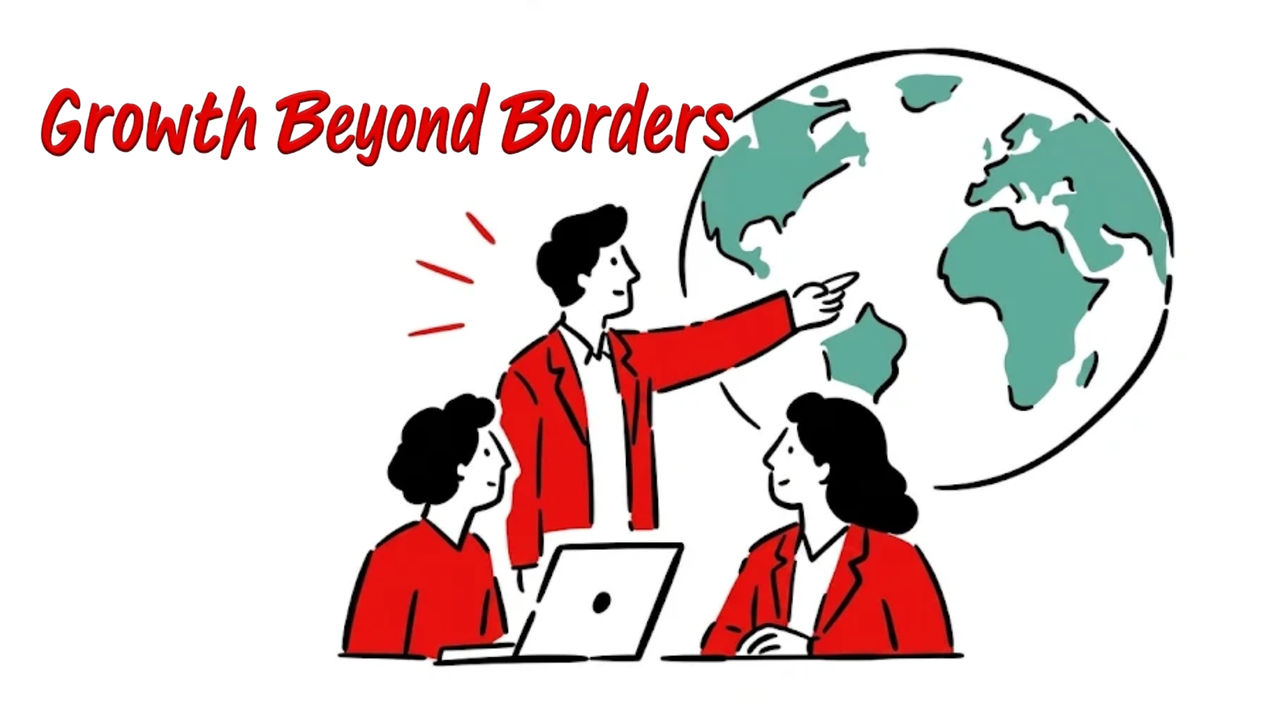
Growth Beyond Borders:
Five trends shaping global trade
The Santander Global Trade Barometer 2026 points to a business community that remains ambitious despite a more uncertain economic and geopolitical environment. Businesses continue to look internationally for growth, while reviewing their supply chains, capabilities and use of technology to manage the complexity that comes with operating across borders.
Despite a more uncertain economic and geopolitical environment, businesses continue to see international trade as a key driver of growth. Among the more than 6,000 businesses surveyed, 55% say international trade has become more important to their plans for growth, while only 4% say it has become less important.
Businesses are showing significant ambition for growth. 59% expect revenue to rise over the next 12 months, compared with 50% that reported growth over the past year. Businesses that operate internationally are the most optimistic. Globally, 69% of international businesses expect revenue to increase over the next 12 months, compared with 53% of domestic-only firms.
International expansion is increasingly part of businesses’ response to slower and less predictable growth. Globally, 59% of businesses that do not currently export plan to expand internationally within the next three years, rising to 74% in Latin America.
Ambition remains strong, but executing international growth plans is becoming more challenging. Businesses look for growth in markets with which they share regional, commercial or cultural connections. Trade agreements are also powerful enablers, with 28% of firms globally saying they wouldn't enter a market without one. Yet barriers persist. Bureaucracy is the most widely cited barrier to international expansion, identified by 25% of businesses.
More than half of international firms (52%) already use AI in some aspect of international trade. AI is also the single biggest investment plan for the next 12 months, selected by nearly a third (32%) of businesses. Plans for AI investment rise to 39% among internationally active firms. The next challenge will be turning investment and adoption into sustained value.
Ana Botín says...

Nearly four in five businesses we surveyed are confident they will grow over the next three years. Companies already operating internationally are more confident than domestically focused businesses. And 59% of domestic and aspiring international firms are considering international expansion over the next three years.
01. The battle for growth
The global economy is entering a period of slower and less predictable growth. The IMF expects global growth of 3.1% in 2026, below the 3.5% average recorded in 2024 and 2025, while global inflation is forecast to rise from 4.1% to 4.7%. Geopolitical tensions, volatile energy and commodity markets, and the risk of further trade fragmentation are adding to the uncertainty facing businesses. Against this backdrop, businesses must make decisions about where to invest, source and sell without assuming that the conditions of recent decades will return.
02. Growth beyond borders
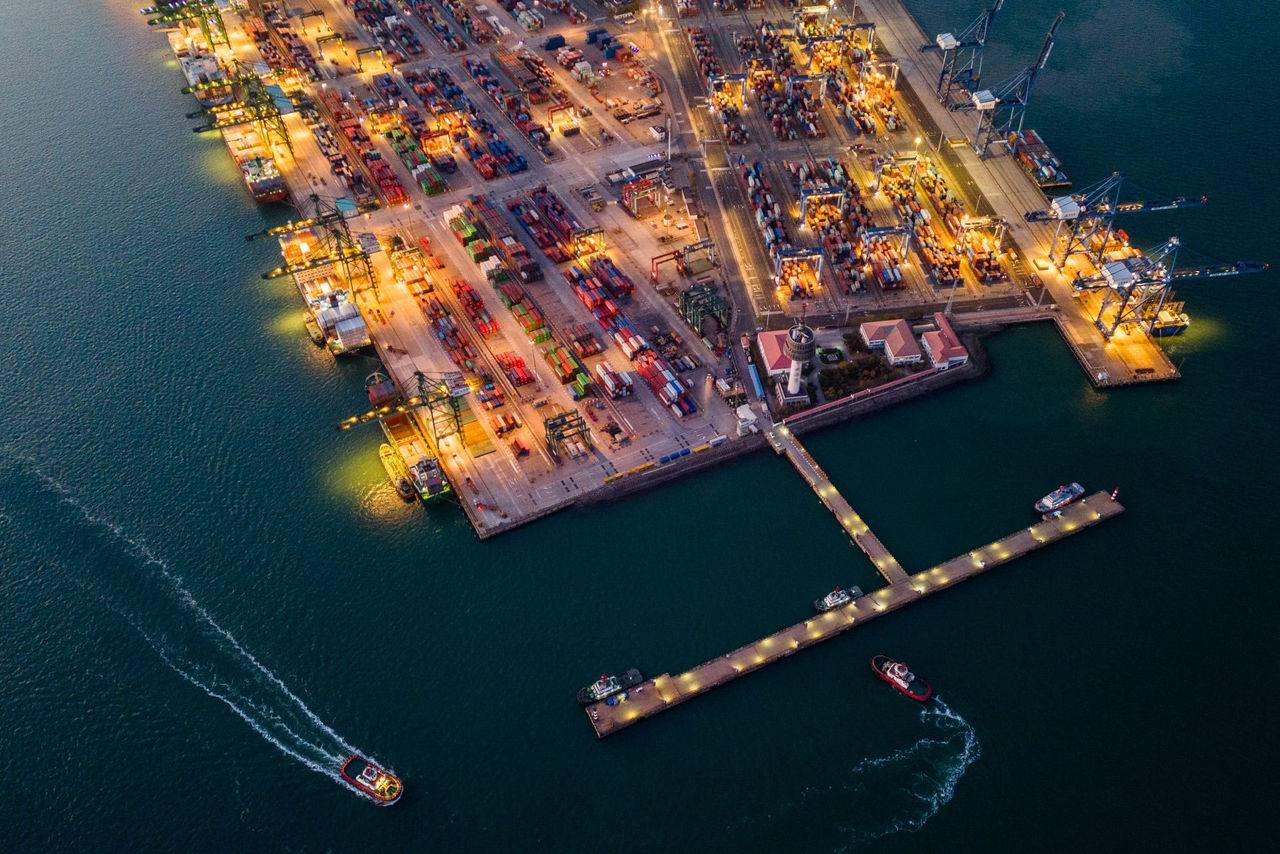
Despite a more uncertain economic and political environment, businesses continue to look abroad for growth. But greater international reach also brings greater exposure to events beyond a company’s direct control. As cross-border activity becomes a larger part of business performance, companies are reconsidering how their supply chains, supplier relationships and international operations can support growth while remaining resilient to disruption.

03. From ambition to execution
Businesses’ international ambitions are often tested by the practical friction of operating across borders. Moving from trading opportunity to execution requires the knowledge, capabilities and support to navigate regulation, customs, local market conditions and new technologies. The findings suggest that these needs are becoming more closely connected as the complexity of trade increases.