
For younger generations, there’s no divide between real life and digital life. They study online, play online, talk to friends online and increasingly do everyday activities through a screen. That’s why Banco Santander has created a space dedicated to security, where kids, teens and the adults around them can learn to build stronger digital habits to navigate online safely.
The digital world can make things faster, easier and more connected, but when everything is only a click away, it can also be easier to act before stopping to think; and online things aren’t always what they seem. The person behind a profile might not be who they say they are. A message might not come from who it appears to. And photos, videos and voices can now be created or altered using Artificial Intelligence and look surprisingly real.
Today’s kids and teens may be among the most digitally savvy members of the family, but being comfortable with technology doesn’t automatically mean recognising every risk. When being online feels completely natural, warning signs can be easier to overlook.
At Santander, we help people understand online risks and build simple habits to protect themselves in their digital lives. Now, we want to give younger generations a space of their own too.
Learning the skills for a safer digital life
The new space brings online safety closer to young people, turning sometimes complex topics into relatable situations and practical advice they can use every day.
The content is built around three key areas:
- Identity and privacy. Once online, information can become part of a digital footprint and reveal more than we realise. A class photo, a holiday location or a username can all give away small pieces of information about us, and together, they can say a lot.
- Online interactions. A new friend request, free coins for a favourite game or a sold-out item suddenly available might not always be what they seem. Taking a moment to pause and check can make all the difference before clicking, sharing or responding.
- Accounts and device security. A few everyday habits can help your stay better protected. Strong and unique passwords, multifactor authentication, updates and security alerts can all add extra layers of protection.
Different ages, different digital worlds
While kids and teens face many of the same online challenges, a child taking their first steps online does not have the same needs as a teenager. That’s why we have created two tailored experiences:

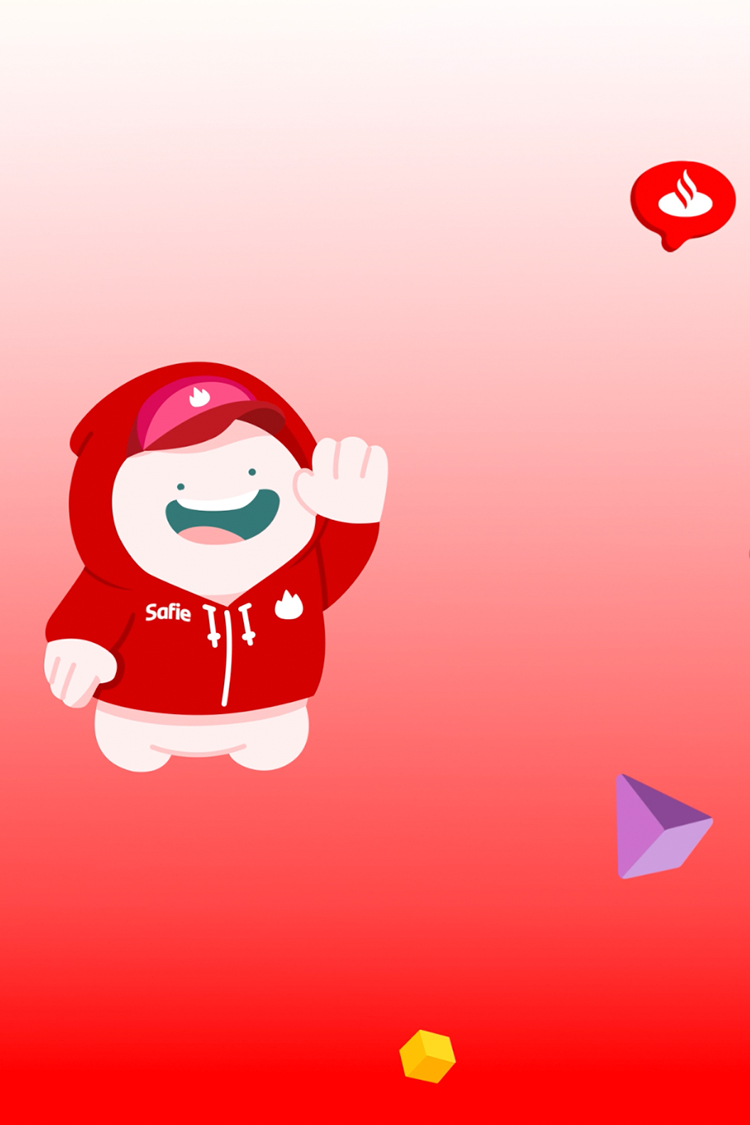
For younger kids, there’s someone special to guide the way: Safie, our cyber ambassador, a playful flame who helps make topics like privacy and risks easier to understand, taking different shapes to explain online situations in a fun and memorable way.
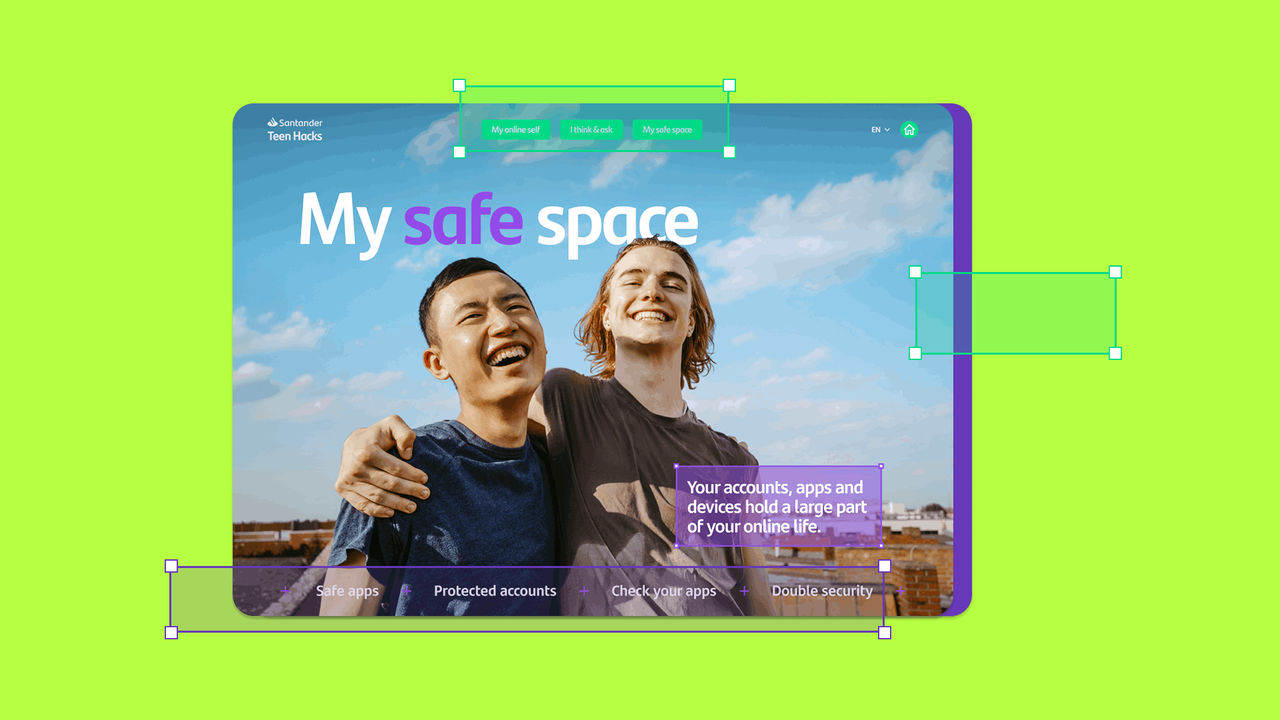
For teens, the learning happens as they scroll. A dynamic, visual experience brings familiar online situations to life, helping them recognise what to look for and how to make informed decisions and build safer habits.
A space for grown-ups too
Keeping kids and teens safer online is something we can all be part of. That’s why this space is also a useful resource for parents, guardians and teachers, with practical information to help them understand online risks, recognise warning signs and start conversations about staying safe.
Knowing which tools, settings and controls are available can also make it easier to help them as they become more independent online, without taking away the opportunities and experiences that make the digital world so valuable.
Online risks aren’t always easy to spot, but with this new space, Santander wants to help young people build the knowledge and confidence to stop, think and ask for help when in doubt.