Loaning works of art is commonplace between cultural institutions as a temporary, finishing touch to their display. Whether it’s for exhibitions featuring specific artists, themes or periods, these loans bridge the art world and bring the works closer to audiences who might otherwise not have the chance to appreciate them close up. Fundación Banco Santander, which manages the bank’s collection, has vast experience in these loans, with over 650 since 1990.
Loaning a work of art is a lengthy process that ends with the selected piece on display at a gallery or museum for an agreed period. Professionals from several fields have to carry out meticulous planning and technical work well in advance so that new audiences can enjoy the piece.
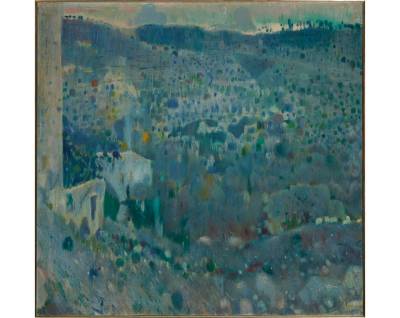
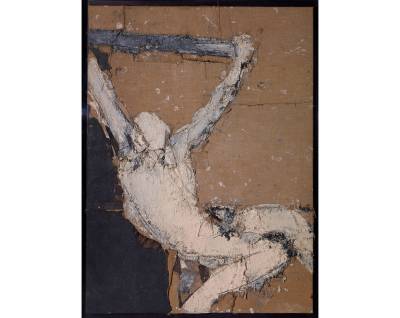
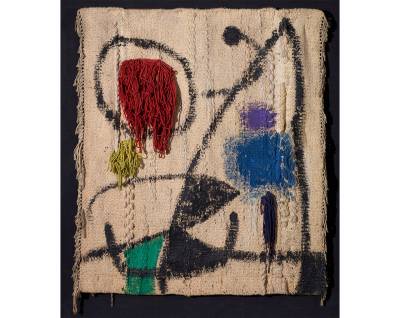
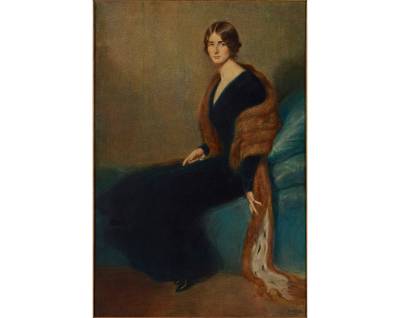
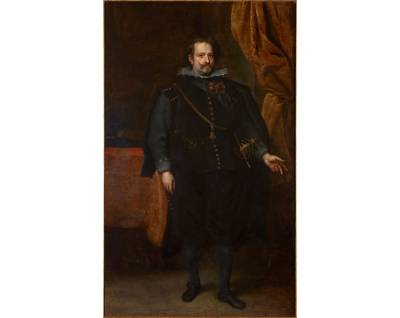
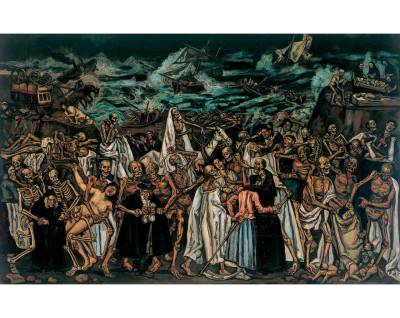
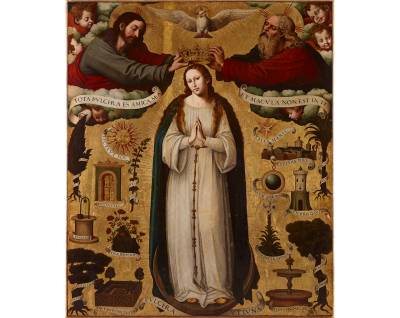
Fundación Banco Santander, which manages the collection and its 160-plus years of history, is well-versed in these types of loans. Having made over 650 loans since 1990, it’s part of the institution’s daily work. Pieces from the Banco Santander Collection have been on display in Germany, Poland, Portugal, Russia, the UK and other countries in Europe, and in Argentina, Japan, Mexico and the US. In 2025 alone, over 15 pieces left the Collection’s halls in Spain to visit other parts of the country as well as Belgium and France. In 2026, a piece by Zurbarán is earmarked to form part of the monograph that the Louvre museum in Paris will dedicate to the Spanish artist in autumn.
Loans are vital as they promote cultural movement. They enable other audiences to enjoy the works and boost the cities they go to. Also, they help forge and strengthen ties between entities by opening lines of communication to share experiences and exchange requests. They help bring art closer to the public. Without them, it would be difficult for people to see certain works close up.
Request and assessment
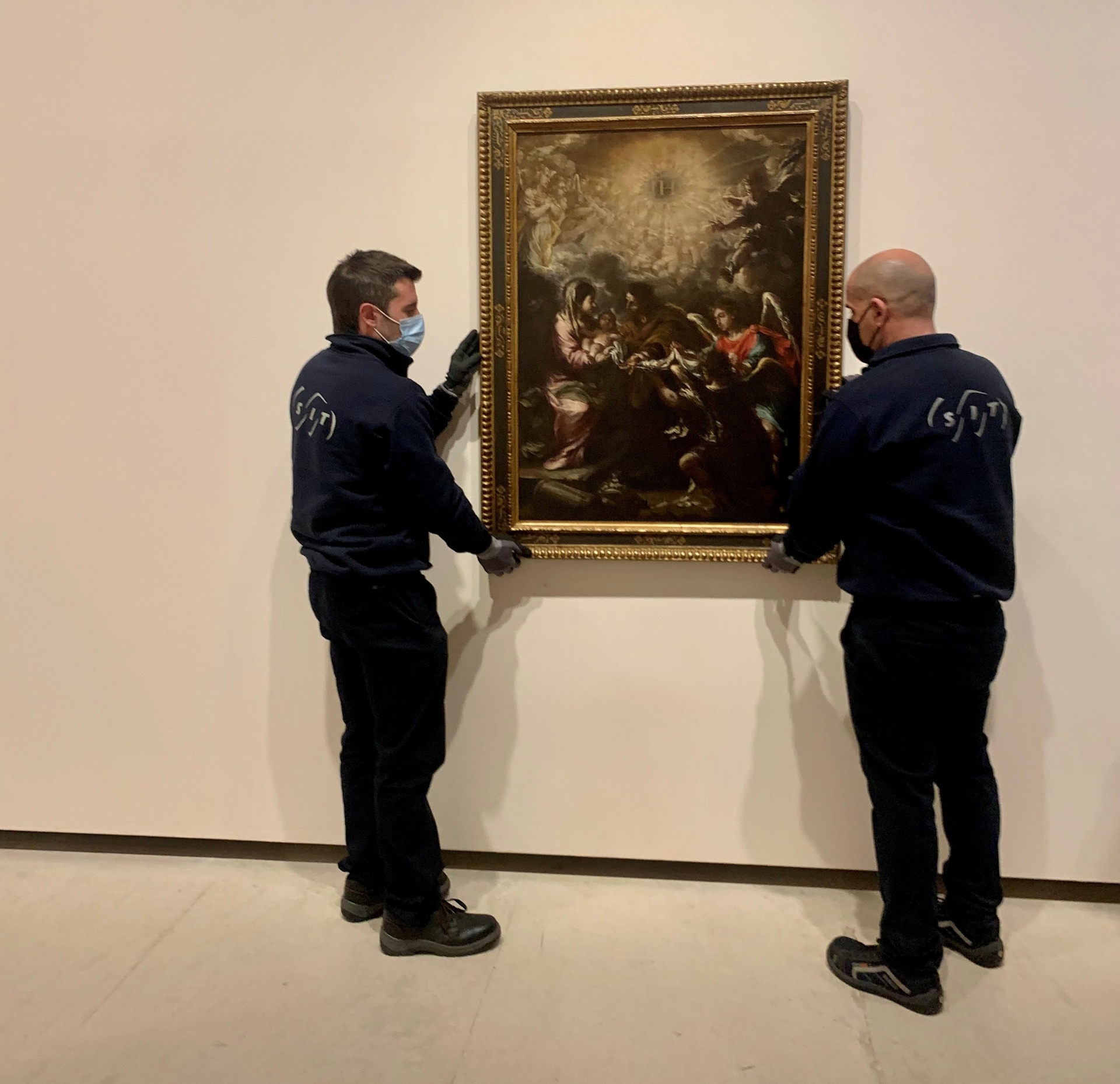
The loan process begins with an official request for the piece in question from the institution that wishes to exhibit it for a particular project. Usually, these requests arrive several months or even a year in advance. A committee then assesses the recommendation of a technical team led by Fundación Banco Santander Curator-Restorer, Marta Guibert.
The request comes with all the necessary documents to conduct the assessment: why that piece? who is the exhibition curator? Where will the piece be on display? In what conditions will it be kept? How secure are the premises? According to Guibert, “we don’t charge for loans, but must always uphold the integrity of the piece and make sure the request is sufficiently justified and documented”.
The Fundación issues an official response and an agreement is drawn up in the form of terms and conditions. This document, which is similar to a contract, includes “nail-to-nail” insurance and other aspects. The institution receiving the piece has to cover it from deinstallation, packing, transport and exhibition, to its return to the Banco Santander Collection in the same condition as it left.
Following approval of the loan, a notification is sent to Spain’s Ministry of Culture, which must authorize the temporary export permit “if the piece in question is categorized as a Bien de Interés Cultural (Asset of Cultural Value), is over 100 years old, or is registered under the Inventario General de Bienes Inmuebles (General Inventory of Personal Property)”.


Transporting works of art
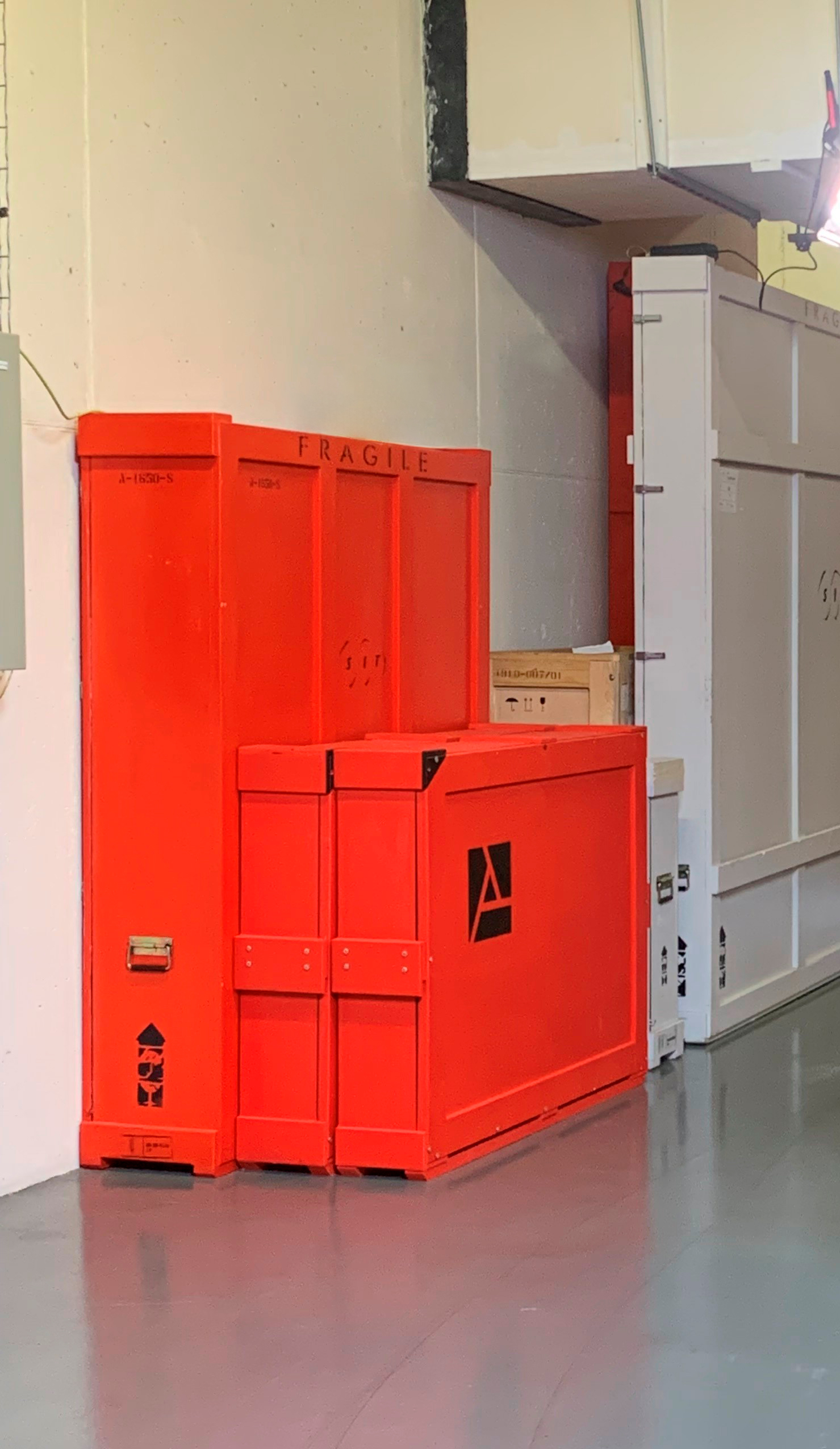
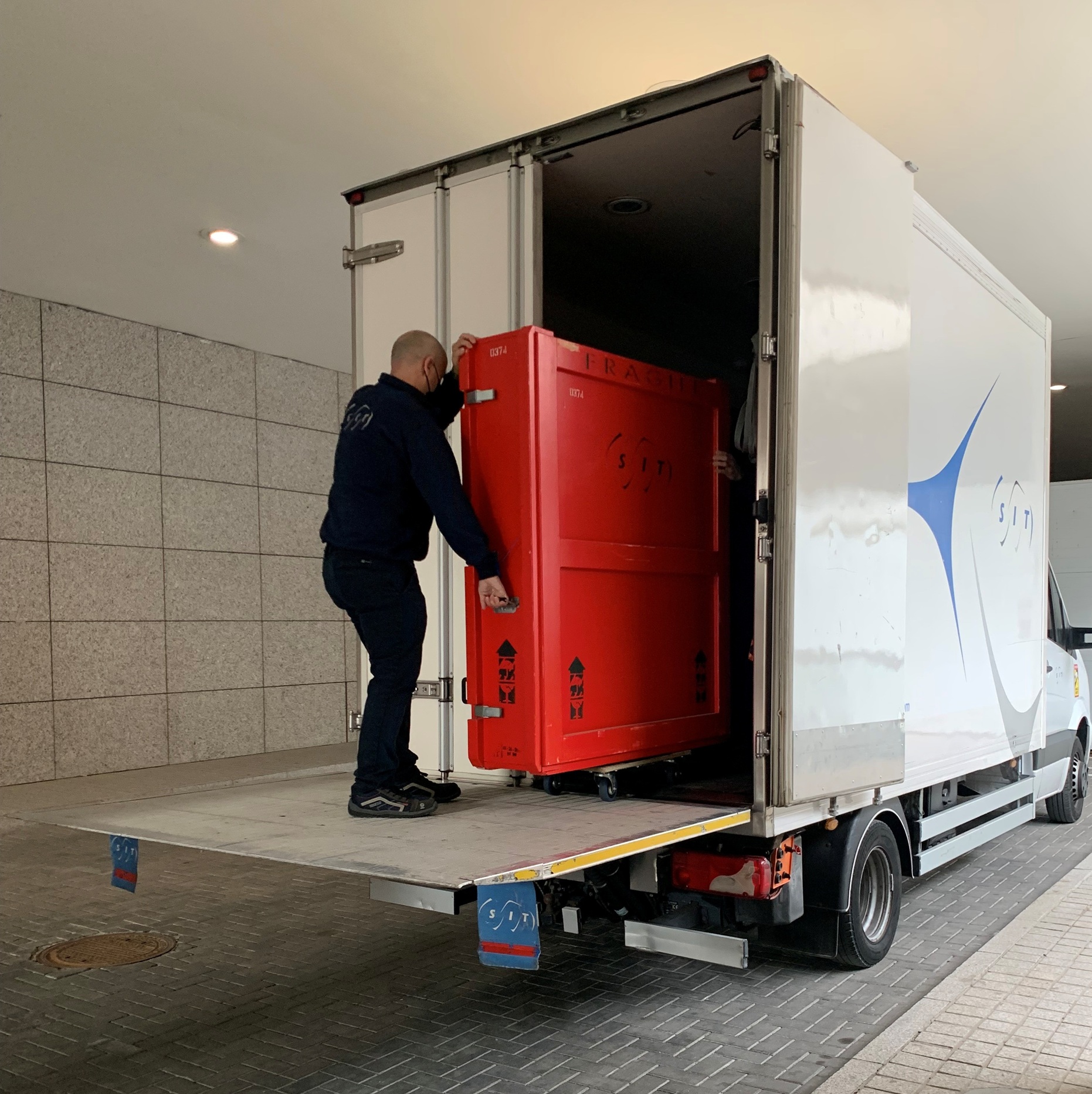
Packing a work of art is a delicate process. The Fundación’s curator is always on hand to oversee it, drafting a report on the piece’s state and ensuring that it travels to its destination in optimum conditions. Guibert highlights that “we prepare a made-to-measure box for each piece and usually finish it with red fire-retardant paint to make it easily recognizable as part of the Banco Santander Collection. These boxes are made of laminated aged wood panels to prevent cracking. And we line the inside with several layers of foam that act as thermal insulation and to minimize vibration”.
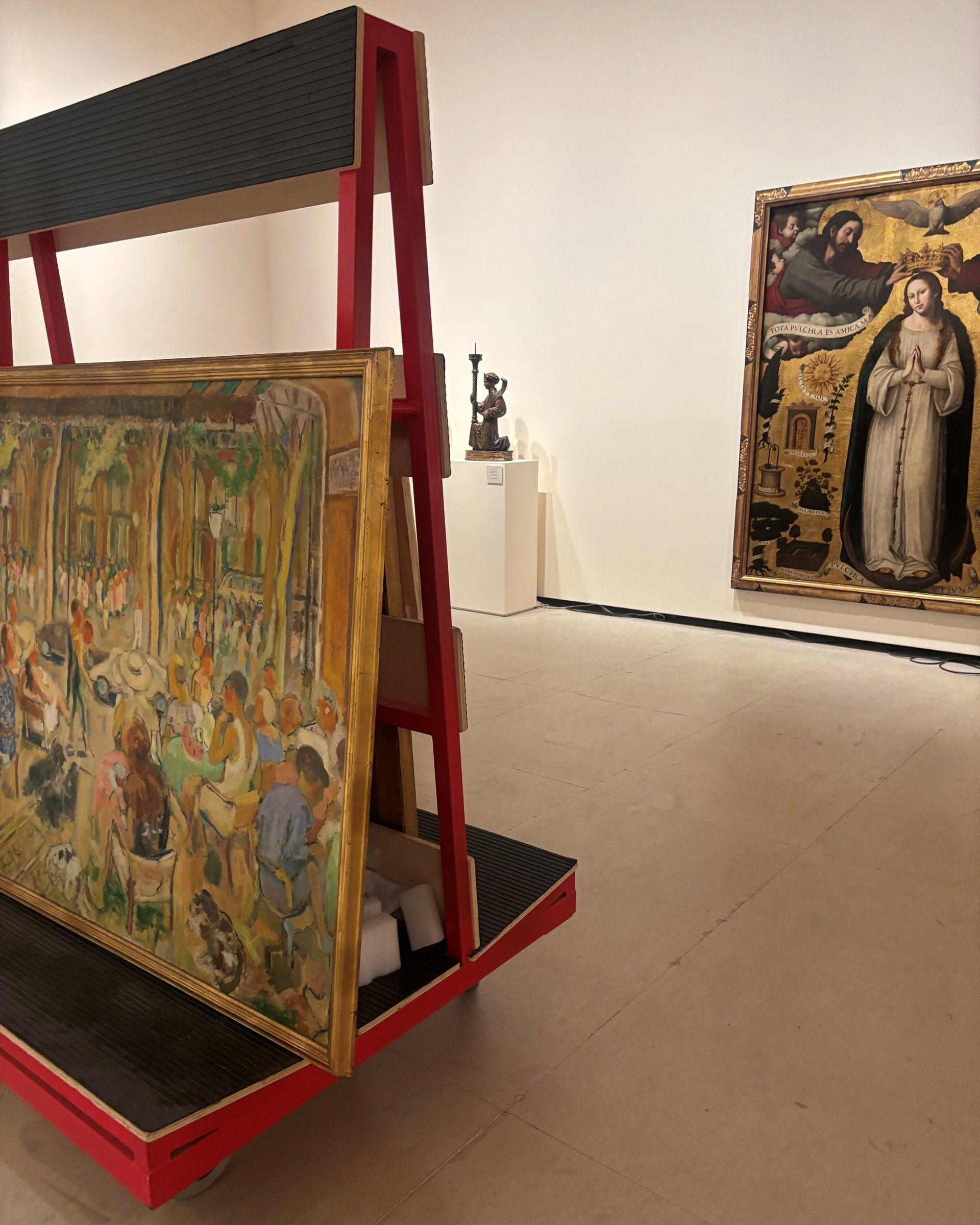
Even the trucks they travel in must be temperature-controlled and meet certain requirements. When the piece arrives at its destination, it only comes out of the box in the presence of the Fundación’s director. The piece stays in the box for 24 hours after arrival to allow it to acclimatize to its new environment. Not every loan or shipping experience is as simple as transporting paintings. For instance, large-sized works such as Chillida’s sculptures are much more complicated to transport. “It’s a big effort, but it’s worth it because it means we can bring these pieces closer to those who are far away”, said Guibert.

Faro Santander
The opening of Faro Santander, scheduled for September this year, will offer the chance to enjoy the Banco Santander Collection in an iconic building.